Ancient volcanic ash in South America reveals steady growth of the early Andes
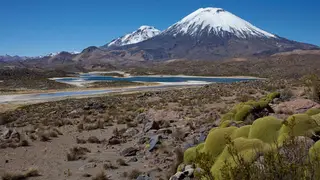
A colossal volcanic eruption roughly 22 million years ago buried a landscape in what is now South America, preserving a rare moment from the Andes' early development. The preserved snapshot indicates that the mountain range grew at a slow, consistent rate rather than through sudden upheavals. This find offers a unique window into the geological forces that shaped the region.
The 22-million-year-old ash layer acts as a natural time capsule, freezing the ancient landscape in place at a critical juncture in the Andes' development. Because volcanic ash can preserve surface features with remarkable fidelity, the deposit offers researchers a rare direct look at terrain that would otherwise have been eroded or buried long ago.
The discovery points to gradual, consistent mountain-building processes rather than sudden tectonic events. This steady-growth model provides geologists with a clearer framework for understanding how the Andes achieved their current form, and it underscores the value of volcanic deposits as records of deep geological time.
This finding could refine how geologists model mountain-building processes worldwide, potentially improving predictions about tectonic activity in other active ranges. Communities in seismically active regions may benefit indirectly from more accurate geological frameworks, while researchers studying volcanic preservation could gain new tools for interpreting similar deposits. The study may also deepen public appreciation for the vast timescales over which Earth's major landscapes take shape.