Kyiv and Tehran hold talks to prevent further escalation
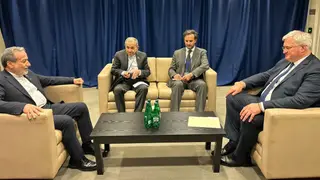
Ukrainian Foreign Minister Andrii Sybiha met with Iranian Foreign Minister Abbas Araghchi on the sidelines of the UN General Assembly on Sept. 23. The two discussed steps to prevent further aggravation between their countries and agreed to keep communication channels open. Sybiha also reiterated Ukraine's support for peace in both regions.
The Sept. 23 meeting in New York was a direct follow-up to a tense July exchange, when Ukraine struck a vessel allegedly carrying military cargo between Russia and Iran. Tehran disputed the target, claiming a commercial ship was hit, resulting in one sailor killed and another wounded. Sybiha maintained that Moscow bears full responsibility for the war's casualties.
The dialogue occurs against a backdrop of deepening Moscow-Tehran ties, with Iranian Shahed drones repeatedly used against Ukrainian cities and infrastructure. Just weeks earlier, Putin pledged continued support to Iran, including supplying "necessary goods" amid its standoff with the U.S. over the Strait of Hormuz. Sybiha framed the talks as essential, noting diplomacy requires direct conversation even under difficult conditions.
This direct engagement could lower the risk of miscalculation between Kyiv and Tehran, potentially reducing the frequency of Iranian-supplied drone strikes on Ukrainian cities. For civilians in both regions, any easing of tensions may bring a measure of relief from ongoing hostilities. However, the talks may also reflect pragmatic maneuvering as both nations balance their respective alliances with Russia and the West. The impact on broader Middle East stability remains uncertain, but open channels could serve as a buffer against future crises.