Trump Pushes Diesel Export Ban Despite Cabinet Warnings
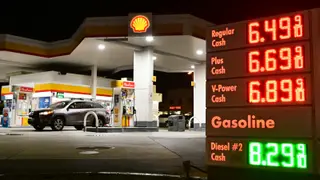
President Trump is preparing a 90-day ban on diesel exports to lower fuel prices, but Energy Secretary Chris Wright and other officials oppose it, warning of long-term price increases. Oil companies also caution that the move would have short-term benefits only. The ban comes amid surging diesel costs linked to the Iran war and Ukrainian attacks on Russian oil infrastructure.
The proposed 90-day restriction would mark the first major limitation on U.S. fuel exports since the 2015 lifting of the four-decade oil export ban. Diesel prices have climbed to $6.52 per gallon, a sharp rise from $3.69 a year earlier, driven by the ongoing Iran conflict and Ukrainian strikes on Russian energy infrastructure.
Energy Secretary Chris Wright has warned that halting exports could force refineries to reduce output due to storage constraints, potentially pushing gasoline and jet fuel prices higher. Treasury Secretary Scott Bessent and Interior Secretary Doug Burgum have joined the opposition, while some oil executives have begun lobbying the White House directly.
The ban could provide temporary relief at the pump for American consumers facing record diesel costs, but may also create ripple effects across the broader economy. Trucking, agriculture, and aviation industries could see shifting price dynamics if refiners cut production. The policy's outcome may hinge on whether short-term political gains ahead of the November midterms outweigh potential long-term market disruptions, with the ultimate impact depending on how quickly the underlying conflicts in Iran and Ukraine resolve.