Morocco's pro-royal party wins most seats in parliamentary vote
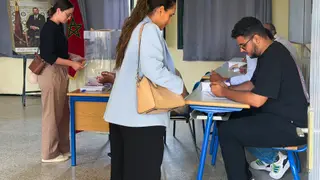
Provisional results show the Authenticity and Modernity Party (PAM) secured 97 of 395 parliamentary seats, ahead of the liberal RNI with 66 and the Istiqlal Party with 65. Turnout fell to 38 percent from 50 percent in 2021. PAM is now positioned to lead the next government, with coalition talks expected.
The provisional tally marks a significant reshuffle in Morocco's political landscape, with PAM nearly doubling its parliamentary presence while the previously dominant RNI slipped to second place. The Islamist PJD's climb from 13 to 54 seats represents a notable comeback, though it remains far from governing majority. Voter participation dropped sharply to 38 percent, reflecting the public mood following last year's Gen Z-led protests over economic conditions.
Coalition negotiations now take center stage, complicated by PAM's stated refusal to partner again with the RNI. The incoming government inherits a substantial agenda: managing billions in investment tied to the 2030 World Cup cohosting, addressing unemployment and wage concerns, and sustaining healthcare expansion. PAM's $37bn platform promises one million new jobs, while potential leadership candidates include Fatima Ezzahra El Mansouri, who could become the Arab region's second female head of government.
This outcome could reshape Morocco's political dynamics, as a PAM-led government may consolidate royal influence over policy while coalition instability could slow decision-making on economic reforms. The low turnout suggests public disengagement, which may pressure the next administration to deliver visible improvements in jobs and living standards to restore trust. The PJD's resurgence could also intensify debate over religious identity in public life, potentially affecting social policies and the balance between conservative and modernizing forces in Moroccan society.