Arctic Warming Leaves Gray Whales Starving, Groups Seek Federal Protection
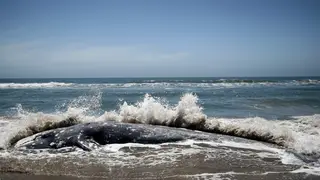
Thousands of gray whales have died over the past decade as warming Arctic conditions reduce their food sources. Environmental organizations are considering legal action against the Trump administration for failing to address the species' plight. The situation underscores the broader impact of climate change on marine wildlife.
The gray whale population has suffered catastrophic losses in recent years, with thousands of confirmed deaths linked directly to shifting Arctic conditions. As sea ice retreats and ocean temperatures climb, the benthic crustaceans that form the whales' primary diet have become scarcer, leaving many animals emaciated and unable to complete their long migrations.
The situation has prompted conservation groups to explore legal avenues, with the Trump administration's inaction on the species' decline cited as a driving factor. The whales' struggle serves as a visible indicator of how rapidly warming seas are destabilizing marine food webs, a pattern scientists increasingly observe across Arctic and sub-Arctic ecosystems.
This story could affect coastal communities that depend on whale-watching tourism, as well as commercial fisheries operating in warming waters. It may also influence public perception of climate policy, as the plight of a well-known species makes abstract environmental changes tangible. Legal action, if pursued, could set precedents for how federal agencies handle climate-driven species emergencies, potentially shaping regulations that affect industries and taxpayers alike.