Iran Proposes Seven-Day Framework to End U.S. Hostilities and Reopen Strait of Hormuz
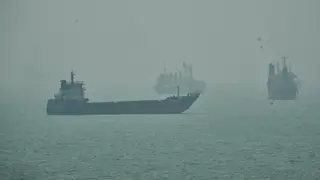
Iran's foreign minister said Tehran gave the U.S. a seven-day proposal through mediators to halt hostilities and reopen the Strait of Hormuz. A U.S. official confirmed constructive talks but said Washington is not rushing because it holds leverage and oil continues to transit the strait. The plan resembles a June agreement and could include discussions about Iran's nuclear program.
Iran’s foreign minister, Abbas Araghchi, outlined the proposal to reporters at the U.N. General Assembly in New York. The sequence calls for a Middle East-wide halt to fighting, including in Lebanon, plus an end to the U.S. naval blockade of Iranian ports, sanctions relief for Iranian oil, and release of at least $12 billion in frozen assets.
If those steps occur, Tehran says it would open the Strait of Hormuz on day seven and then resume talks on a broader deal, potentially covering its nuclear program. A U.S. official described mediated discussions as constructive but said Washington sees no need to hurry, noting oil continues moving through the strait. A similar June deal soon collapsed amid mutual violation claims.
If the proposal advances, reduced fighting could lessen risks for civilians in Lebanon and across the region, while reopening the Strait of Hormuz may ease pressure on shipping, insurers, and global energy prices. Iranian households could see some relief if sanctions and frozen assets are addressed. Yet talks could stall, leaving oil markets and regional communities facing continued uncertainty. The outcome may also shape how Washington and Tehran approach future nuclear negotiations.