Antarctic Fish Cells Reveal Adaptations for Near-Freezing Survival
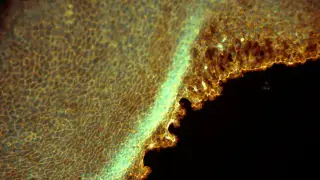
Scientists examined cells from Antarctic fish to learn how they function in water close to freezing. The cells’ mitochondria and recycling systems appear unusual, highlighting the hidden costs of surviving extreme cold.
The report centers on cells taken from Antarctic fish that live in water near freezing. Rather than treating cold survival as simply beneficial, the work examines how basic cellular machinery continues to operate under such conditions. Mitochondria and recycling systems stand out as unusual features in these cells. That focus places the finding within a broader biological question: how extreme environments shape the limits and costs of cellular function. It also suggests that adaptation to cold may involve compromises alongside tolerance.
This story may mainly affect scientists studying extreme environments and cell biology, along with those interested in Antarctic life. It could inform future research directions, but any practical applications are likely indirect and distant. Society may benefit from deeper understanding of cellular resilience, yet the findings do not by themselves determine conservation, fisheries, or technology decisions. The impact is therefore best viewed as incremental scientific knowledge rather than immediate change.