Boeing's Starliner to undergo uncrewed validation flight following 2024 failures
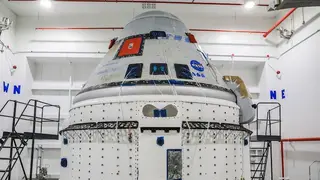
NASA and Boeing plan to conduct an unpiloted test flight of the Starliner spacecraft in December 2026 or January 2027 to verify hardware upgrades and system improvements made after a 2024 mission that left two astronauts stranded on the ISS for nine months. If successful, the companies aim to conduct a piloted flight in mid-2028 with astronaut Warren Hoburg commanding the mission. The test is critical for NASA's goal of maintaining two independent crew transportation providers to the International Space Station and supporting future commercial space stations after SpaceX retires its current systems.
Boeing's Starliner has faced significant technical challenges since its debut crewed mission in June 2024. Astronauts Barry Wilmore and Sunita Williams encountered multiple helium leaks and thruster malfunctions during their approach to the International Space Station, forcing NASA and Boeing to delay their return for nine months while engineers investigated the root causes. An independent safety review deemed these failures a serious hazard to crew safety.
The proposed uncrewed test represents a critical validation step before resuming human flights. Boeing has redesigned propulsion valves, strengthened subsystems, and implemented additional modifications intended to prevent recurrence of the 2024 failures. Success would pave the way for a piloted mission in mid-2028, with veteran astronaut Warren Hoburg commanding the crew.
The outcome of this test flight could significantly influence U.S. spaceflight capabilities through the 2030s. A successful Starliner certification may provide NASA with redundant crew transportation options as SpaceX eventually retires its current systems, potentially supporting both the International Space Station and emerging commercial orbital facilities. Conversely, further technical setbacks could delay American access to independent launch capabilities and strain the Commercial Crew Program's broader objectives for sustained low-Earth orbit operations.