Ancient fortification in Morocco represents earliest known defensive architecture in North Africa
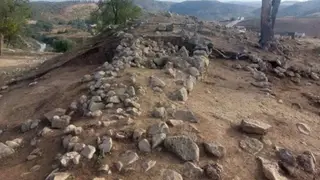
Archaeologists have uncovered defensive walls in Morocco dating to approximately 4,000 years ago, making them the oldest structures of their kind in North Africa outside the Nile Valley. The discovery indicates that early agricultural communities in this region were constructing large-scale fortifications earlier than previously documented. The findings provide new insights into human development and the adoption of agriculture in northwestern Mediterranean Africa.
The fortification at Oued Beht, located in a river valley roughly 50 miles from Rabat, represents a significant shift in understanding North African prehistory. The defensive structure comprised ditches, ramparts, and multiple walls constructed from clay, ash, silt, and stone. Archaeologists believe the settlement it protected was economically substantial, featuring livestock herds, cultivated crops, and storage capabilities consistent with an organized agricultural community.
Recent archaeological work in the region has challenged the historical perception of the Maghreb as underdeveloped during this period. Contemporary discoveries, including a prehistoric village at Kach Kouch in the Rif Mountains, suggest that northwestern Africa experienced substantial cultural and social development around 4,000 years ago, potentially parallel to transformations occurring across the Mediterranean in Europe.
This discovery could reshape academic understanding of early Mediterranean societies and human agricultural development. Scholars and educators may need to revise historical narratives that previously marginalized North African contributions to ancient civilization. The findings could encourage increased archaeological investment in the Maghreb region, potentially generating employment and tourism benefits for Morocco while advancing broader knowledge of prehistoric human organization and defense strategies in non-Egyptian contexts.