Xiaomi Upgrades Smart Home Sensor With Advanced Detection Technology and Prolonged Battery Life
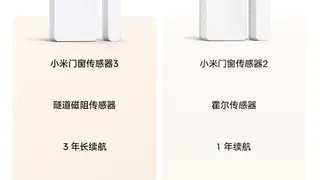
Xiaomi introduced the Door and Window Sensor 3, a compact smart-home accessory that monitors the open and closed status of doors, windows, drawers, and cabinets using a new tunnel magnetoresistance sensor instead of traditional Hall-effect technology. The device offers faster response times with lower power consumption, enabling up to three years of battery life from a CR2032 coin-cell battery based on typical usage patterns. The sensor provides detailed activity tracking through the Mi Home app, allowing users to view opening events and duration statistics throughout the day.
Xiaomi's upgraded sensor leverages tunnel magnetoresistance technology to achieve superior performance in a battery-powered device. This advancement allows the unit to detect magnetic field changes with greater speed while drawing less electrical current, a critical balance for accessories relying on coin-cell batteries. The extended three-year lifespan addresses a common pain point in smart home adoption, reducing maintenance frequency and long-term operational costs for homeowners managing multiple connected devices.
The enhanced tracking capabilities transform the sensor from a simple binary status indicator into a monitoring tool for usage patterns. By logging opening frequency and duration data, users gain visibility into household behavior—whether identifying energy inefficiency from prolonged window openings or detecting security concerns from unexpected access patterns. Integration with Xiaomi's ecosystem enables automated responses to these events through the broader smart home network.
The device could influence smart home adoption by lowering the practical barrier to entry—extended battery life means less frequent replacements and reduced management overhead. For users already invested in Xiaomi ecosystems, these improvements may encourage expansion of connected monitoring throughout their homes. However, the sensor's benefits remain limited to customers within China's crowdfunding phase and those using compatible Xiaomi hardware and gateways, potentially constraining its broader market impact outside this ecosystem.