Samsung's Flagship Tablet Promised With Ultra-Large Display, Extended Software Support, and AI Capabilities
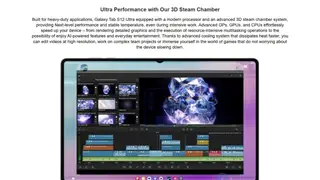
Samsung is expected to unveil the Galaxy Tab S12 Ultra on October 7, featuring a 14.6-inch Dynamic AMOLED 2X display with 120Hz refresh rate and powered by MediaTek's Dimensity 9500 chipset with up to 16GB RAM and 1TB storage. The device includes an 11,600mAh battery with 45W charging, an S Pen for productivity, IP68 rating, and support for microSD card expansion up to 2TB. Samsung's promotional materials emphasize seven years of Android software updates and Galaxy AI integration alongside Samsung DeX functionality.
Samsung's dual-tablet strategy positions the Galaxy Tab S12 series to compete in the premium productivity segment by emphasizing longevity and AI integration. The seven-year software commitment represents a significant differentiator in the Android tablet market, where update timelines typically lag behind flagship smartphones. This extended support window could appeal to professionals and creative workers who depend on sustained platform stability and security for long-term investments in large-screen devices.
The emphasis on Galaxy AI tools reflects broader industry movement toward embedding conversational AI into daily computing workflows. By integrating multiple AI assistant options—including Samsung's own Bixby alongside third-party services—Samsung appears to be hedging its AI strategy rather than forcing exclusive reliance on a single platform. The pairing of these capabilities with the S Pen and DeX functionality suggests the tablets target knowledge workers seeking unified environments for note-taking, document creation, and information synthesis.
These tablets could reshape purchasing decisions among professionals in creative industries, education, and enterprise sectors who prioritize extended device lifecycles and software reliability. The generous storage expansion and large displays may particularly influence workers considering tablet-first workflows as laptop alternatives. However, actual market impact will depend on final pricing and whether competing devices from Apple and other manufacturers offer comparable feature sets and software longevity commitments at different price points.