Republicans Distance Themselves from Trump's Unpopular Policies as Midterms Loom
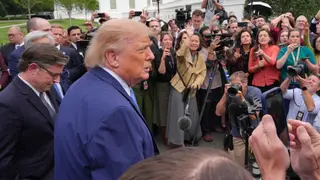
Republican lawmakers from both chambers are openly diverging from President Trump on several major policy areas including immigration enforcement, data centers, tariffs, and international relations in an unusual break from years of party unity. High gasoline and diesel prices resulting from Trump's Iranian military conflict have become particularly damaging to GOP electoral prospects, with even senior Republican leadership acknowledging the administration's agenda has become a liability. The divisions represent a tactical shift as Republicans attempt to avoid a Democratic wave in the midterm elections.
Republicans have begun openly diverging from Trump administration policies ahead of midterm elections, marking a significant departure from years of party alignment. Energy costs have emerged as the central grievance driving this fracture, with fuel prices elevated due to geopolitical tensions that disrupted global commodity markets. Agricultural regions are particularly affected, as farming communities face compounded financial strain from elevated fuel and fertilizer expenses alongside trade restrictions on certain crop exports.
Senior party figures have acknowledged the political liability while maintaining measured support for the underlying military objectives. Some candidates in competitive races have shifted their public positions, calling for an end to ongoing conflicts while the administration continues defending its decisions as strategically necessary.
This dynamic could reshape how parties navigate intra-party disagreements during election cycles. If Republican distancing proves electorally effective, it may embolden future dissent from sitting administrations. Conversely, voters may question candidate authenticity when positions shift based on polling. The outcome could influence whether parties maintain centralized messaging or permit greater regional variation in campaign strategy, potentially affecting legislative cohesion in the next Congress.