Defense Secretary Emerges as Trump Administration's Most Powerful Official
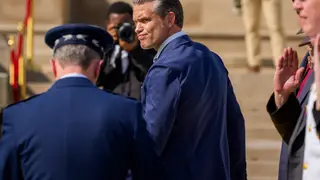
Pete Hegseth has become an unexpectedly influential figure in the Trump administration, contradicting earlier predictions that he would play a minor role as secretary of defense. The columnist acknowledges miscalculating key Trump foreign policy moves, including underestimating the administration's appetite for military action against Iran and overestimating China tensions. Hegseth's rise to prominence in Trump's inner circle represents a significant shift in how defense policy is shaping broader strategic decisions.
Pete Hegseth's unexpected influence within the Trump administration has surprised most Washington observers and foreign policy analysts. The Defense Secretary has taken a prominent role in shaping broader strategic decisions, particularly regarding military action and defense priorities. His prominence contradicts initial assessments of his fitness for the position, which focused on his limited Pentagon experience and background primarily as a media personality rather than a defense policy expert.
The columnist acknowledges significant misjudgments about the administration's foreign policy direction, particularly regarding Iran and China. These reassessments prompted deeper reflection on how decision-making actually functions within the Trump administration and which officials wield genuine influence over major policy choices. Hegseth's ascendancy suggests that unconventional career paths and direct relationships with the president may matter more than traditional qualifications in determining policy influence.
Hegseth's influential position could significantly affect U.S. military strategy, defense spending priorities, and international relations. His approach to recruitment, training, and combat operations may reshape the armed forces' structure and capabilities. The broader implications extend to how foreign adversaries perceive American military readiness and intentions. Additionally, this dynamic may influence which voices shape defense policy going forward, potentially favoring individuals with direct presidential access over traditional institutional expertise, which could affect long-term military governance and strategic planning.