Mount Vesuvius Eruption Improves Precision of Radiometric Dating Methods
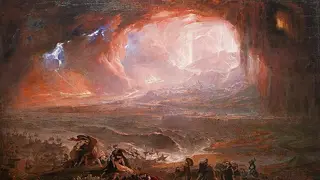
The eruption of Mount Vesuvius that destroyed Pompeii nearly 2,000 years ago is now serving as a calibration reference point for argon-argon radiometric dating, a technique scientists use to determine the age of geological samples. Because the Vesuvius eruption occurred so recently in geological time, it presents an unusually challenging test case for radioactive decay measurements, forcing researchers to refine their methods to detect extremely faint signals. This ancient catastrophe has become an invaluable tool for improving the accuracy of the radioactive clocks used to reconstruct Earth's long history.
The argon-argon dating technique relies on the predictable decay of potassium-40 into argon-40 within volcanic minerals. When lava cools, argon gas becomes trapped in crystal structures, accumulating over time in measurable quantities. Scientists artificially convert stable potassium atoms into a comparable isotope during laboratory analysis, allowing mass spectrometers to calculate precise age estimates by comparing isotope ratios.
The Vesuvius case presents a unique methodological challenge because the eruption occurred too recently for substantial radioactive decay to have accumulated. This means researchers must detect extremely faint argon signals while minimizing interference from atmospheric contamination or residual argon present before eruption. The dramatic improvement from a century-long margin of error to just 13 years demonstrates how refining detector sensitivity and irradiation protocols can extend radiometric dating's applicability to geologically recent events.
This advancement could enhance scientists' ability to correlate volcanic eruptions with historical timelines and climate records, potentially improving understanding of how past volcanic activity affected human societies. Improved dating precision may also refine chronologies across archaeological and geological research. However, the benefits remain largely confined to specialized scientific communities; the general public may see limited direct impact beyond enhanced accuracy in geological and historical narratives about Earth's distant past.