Saturn Reaches Peak Visibility as Opposition Brings Optimal Viewing Conditions
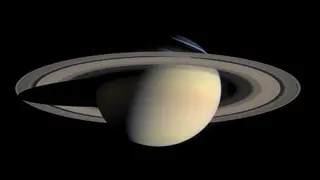
Saturn will reach opposition on October 4, 2026, positioning it at maximum brightness and size for the year while remaining visible throughout the night to the unaided eye. At this distance of 784 million miles from Earth, the planet appears opposite the sun in the sky, rising in the east at sunset and remaining illuminated through the night. Observers with telescopes will enjoy particularly sharp views of Saturn's famous ring system during this optimal viewing window.
Saturn's opposition represents a celestial alignment where Earth positions itself directly between the sun and the distant planet, creating optimal viewing conditions. This astronomical event occurs because of Earth's orbital motion relative to Saturn's much slower journey around the sun. The 784-million-mile distance during opposition allows Saturn's disk to reach its maximum apparent size through telescopes while its pale-yellow coloration appears notably brighter than throughout the rest of the year.
The planet's distinctive ring system offers particularly compelling views during this period due to Saturn's changing axial tilt. As Saturn completes its 29-year solar orbit, observers experience continuously shifting perspectives of the rings. Following a nearly edge-on appearance in 2025, the rings are gradually tilting to reveal increasingly detailed views, making the current opposition window especially valuable for amateur astronomers seeking clear visibility of these icy structures.
Saturn's opposition may encourage increased public engagement with amateur astronomy and stargazing activities. The event could drive telescope sales and spark interest in space science among casual observers, potentially broadening appreciation for planetary astronomy. Educational institutions might leverage this natural phenomenon to enhance science education. Additionally, widespread viewing activities could contribute to discussions about light pollution and dark sky preservation, as larger numbers of people seek optimal observing conditions during the several-week window surrounding opposition.