Final American Military Forces Withdraw from Iraq After Decade-Long Campaign
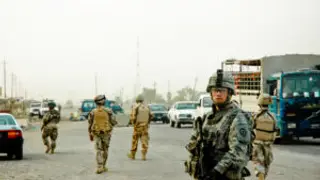
The last U.S. military personnel have departed northern Iraq, concluding a twelve-year American-led campaign against ISIS under an agreement established two years ago with the Iraqi government. The withdrawal marks the end of an extended military presence focused on counterterrorism operations in the region. The pullout represents a significant shift in American military engagement in the Middle East.
The departure of American military personnel from Iraq represents the completion of a withdrawal process that began two years ago when the U.S. and Iraqi governments formalized an agreement for the eventual end of the American military presence. This conclusion caps over a decade of sustained military operations that were primarily centered on counterterrorism efforts against ISIS and related security challenges throughout the country.
The shift away from direct American military engagement in Iraq signals a broader repositioning of U.S. military strategy in the Middle East region. The transition from active combat and counterterrorism operations to a complete withdrawal reflects changing priorities in how the United States approaches its defense posture in an area where it has maintained significant military involvement for many years.
The withdrawal may affect regional security dynamics, potentially influencing Iraq's capacity to independently counter extremist threats and maintain stability. The departure could alter U.S. strategic influence in the Middle East and may reshape diplomatic relationships with Iraqi leadership and neighboring nations. Iraqi security forces now bear primary responsibility for counterterrorism operations, which could test their readiness. The move may also affect American military personnel and their families, as well as defense contractors and regional economies dependent on U.S. military presence.