Solar acquisitions and grid financing drive renewable energy expansion across US and Europe
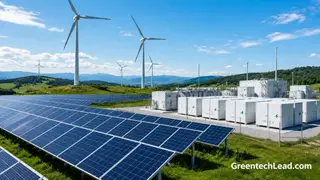
Renewable Properties has expanded its portfolio by acquiring 71.8 MW of solar projects in Pennsylvania, entering the major PJM wholesale market. Vikram Solar secured a 400 MW module supply contract for Maharashtra's agricultural solar initiative, with deliveries beginning in October 2026. The European Investment Bank and BNP Paribas jointly launched a €700 million guarantee facility to increase financing for European power grid equipment manufacturers.
The transactions reflect a shift toward consolidation in North American solar development. Renewable Properties' entry into PJM, one of the largest U.S. electricity markets covering 13 states and Washington D.C., represents a strategic move to access wholesale opportunities beyond traditional net-metered segments. The company's growing Pennsylvania footprint now exceeds 150 MWdc, suggesting confidence in the regional market's development trajectory and grid interconnection prospects.
In India, the Maharashtra initiative demonstrates how distributed solar is being integrated with agricultural infrastructure. Vikram Solar's advanced module specifications—including bifacial technology and half-cut cells—indicate a push toward higher conversion efficiency in utility-scale agricultural applications, where land constraints and seasonal electricity demand patterns require optimized performance.
These developments may affect energy market participants differently. Utilities and grid operators could benefit from accelerated infrastructure investment and expanded generation capacity, potentially improving supply stability. Manufacturers and equipment suppliers gain access to significant financing pathways. Consumers might see indirect benefits through grid modernization, though impacts on electricity rates remain unclear. Investors gain exposure to renewable growth markets, while rural agricultural communities could experience improved electrification, though implementation effectiveness depends on successful project execution and integration with existing grid systems.