American Military Withdrawal from Iraq Creates Strategic Opening for Regional Rivals
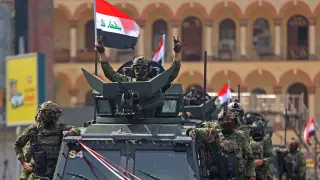
The U.S. military concluded its two-decade involvement in Iraq, with the final forces departing as of late September 2026 following a 2024 agreement with Baghdad. The pullout creates significant security risks as Iran and other U.S. adversaries position themselves to expand influence in the country, particularly with the broader regional conflict involving Iran still ongoing. Experts warn that Iraq's instability could worsen as Baghdad's security forces assume full responsibility for countering threats including resurgent militant groups.
The U.S. military presence in Iraq has been marked by multiple phases over two decades. Following the 2003 invasion to remove Hussein, American forces departed in 2011 but returned in 2013 to counter the Islamic State threat. A 2024 bilateral agreement set a September 2025 departure date, which was extended due to regional developments in Syria. Throughout the recent conflict period beginning in February, Iraq has emerged as a contested zone where rival powers clash, with American personnel suffering significant casualties from attacks by Iranian-aligned groups.
Iraqi officials and regional analysts express serious doubts about Baghdad's capacity to independently manage security responsibilities. Local leaders cite concerns that Iraq's security institutions lack sufficient preparation for autonomous operations. Fallujah, which experienced severe conflict during earlier U.S. withdrawals and was subsequently seized by the Islamic State, represents a particular vulnerability point that illustrates potential risks ahead.
The withdrawal may significantly influence regional stability and U.S. strategic positioning in the Middle East. Iraqi civilians and security personnel could face increased threats from extremist organizations and Iranian-backed militias without American military support. The outcome may affect broader geopolitical competition between the United States and Iran across the region, while testing whether Iraq's government can maintain internal order and prevent the resurgence of terrorist groups. Global energy security could also be at stake given infrastructure vulnerabilities highlighted by recent attacks on Saudi facilities.