Utility Survey Reveals Centuries-Old Sunken Vessel in German Waters
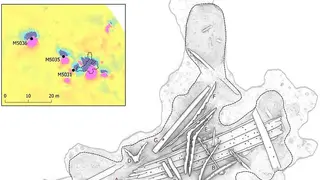
An infrastructure inspection for a gas pipeline in Germany led to the discovery of a shipwreck dating back approximately 400 years. Archaeologists were granted only a brief window of twelve days to examine and document the submerged remains before dredging operations commenced. The unexpected find provides valuable insights into maritime history from the early modern period.
A routine utility survey designed to assess conditions for gas pipeline infrastructure in German waters unexpectedly intersected with maritime archaeology when workers identified a submerged vessel. The ship's estimated age of roughly 400 years places it within the early modern period, a significant era for understanding European seafaring practices and trade networks. Such discoveries emerging from industrial projects highlight how routine inspections can yield historical documentation otherwise lost to time.
The compressed timeline presented a substantial challenge to the archaeological team. With merely twelve days allocated before dredging resumed, researchers faced pressure to rapidly record the wreck's structural details, artifacts, and positioning. This urgent documentation work underscores how infrastructure development and historical preservation sometimes operate on competing schedules, requiring coordinated efforts between industrial and academic sectors.
The discovery may enhance scholarly understanding of early modern maritime commerce and naval construction techniques. Local heritage organizations and maritime museums could potentially benefit from the collected data. The incident also suggests broader implications for how infrastructure projects might incorporate archaeological screening, potentially creating opportunities—or raising costs—for future utility work. Communities invested in regional history may find new perspectives on their relationship with waterways.