Multiple tropical systems converge to unleash flooding across central U.S.
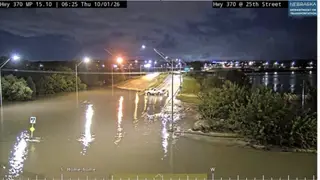
Remnant moisture from Hurricanes Polo and Rachel, combined with Gulf of Mexico humidity, is interacting with a slow-moving frontal system to produce repeated heavy rainfall across the Central Plains and Southwest. The atmospheric setup is causing thunderstorms to repeatedly impact the same areas—a phenomenon meteorologists call "training"—resulting in significant flooding from Texas through Kansas and Missouri. Multiple eastern Pacific hurricanes contributed to torrential rains across the region in recent months, demonstrating how tropical cyclones can deliver catastrophic impacts well inland after losing their organized structure.
The current weather system demonstrates how tropical cyclones retain their destructive potential long after losing their defining characteristics. Hurricanes Polo and Rachel, originating in the eastern Pacific, weakened over land but left behind enormous quantities of atmospheric moisture. This residual humidity traveled hundreds of miles from the storm centers and merged with existing weather patterns over the central United States, proving that tropical systems pose hazards well beyond their organized lifespan.
The "training" effect occurring across the Plains illustrates how meteorological conditions can amplify localized impacts. When a slow-moving frontal boundary remains stationary, successive thunderstorms follow similar paths, dumping repeated rounds of precipitation on identical areas. This geographic concentration means some communities experience minimal rainfall while neighboring regions face multiple inches, creating highly variable flood severity across relatively compact distances.
This weather pattern could significantly affect millions of residents across Texas, Kansas, Missouri, and adjacent states through extended flood risks and potential infrastructure damage. Agricultural areas may experience crop losses and soil erosion, while urban communities could face water rescues, displaced residents, and strain on emergency services. Prolonged heavy rainfall may also compromise water quality and temporarily disrupt transportation networks, potentially affecting economic activity and supply chains across the affected regions.