California legalizes plug-in solar panels to expand renewable energy access
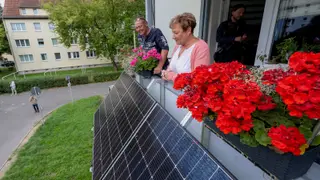
California has approved legislation allowing residents to install and use plug-in solar panels on balconies and in backyards, making renewable energy more affordable and accessible to renters and homeowners without the need for expensive electrical upgrades. These smaller solar arrays connect directly to household electrical outlets and can save residents hundreds of dollars annually while reducing strain on the power grid, particularly during peak energy demand periods like heat waves. The move positions California among a small group of states recognizing the potential of this technology to democratize solar energy adoption.
California's new legislation removes a key regulatory obstacle that previously required homeowners to negotiate interconnection agreements with utility companies before installing plug-in solar systems. This bureaucratic barrier had effectively prevented widespread adoption of the technology, despite its proven benefits in other nations. The bill's passage reflects growing recognition that smaller-scale distributed solar generation can meaningfully contribute to grid stability and affordability without requiring the substantial upfront costs and electrical infrastructure modifications associated with traditional rooftop installations.
The shift toward plug-in solar represents a broader transformation in how electrical grids function. Traditional power systems maintained stability through centralized generation that could be ramped up or down based on demand fluctuations. Renewable energy systems require different approaches, including battery storage and distributed generation sources, to maintain equilibrium when weather conditions change. Consumer-owned solar arrays, even modest balcony systems, reduce overall grid demand and contribute to this more flexible, resilient infrastructure.
This development could significantly affect renters and lower-income homeowners who have previously been excluded from solar adoption due to cost and building restrictions. Scaled implementation across densely populated areas may help utilities manage peak demand periods without expanding power infrastructure. However, the actual impact will depend on adoption rates, the efficiency of individual systems, and how utility companies adapt their business models to accommodate distributed generation. The technology alone cannot address all energy challenges but may serve as one tool among many for managing growing electricity demand.