Defense Secretary Announces New Military Commands and 20% Cut to General Officers
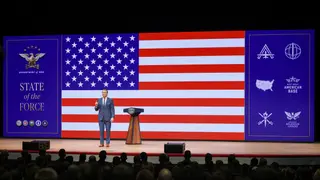
Defense Secretary Pete Hegseth announced six military initiatives during an address at Marine Corps Base Quantico, including a new four-star Autonomous Warfare Command to oversee drone and robotic forces. Hegseth confirmed a 20% reduction in the total number of generals and admirals to take effect by January 1, 2027, and announced additional initiatives including a panel involving billionaire Elon Musk. The proposals were presented alongside criticism of what Hegseth characterized as resistance to his vision for military culture.
The Autonomous Warfare Command represents a significant structural reorganization of military forces around unmanned systems, marking the first new four-star combatant command since 2019. The initiative will require congressional approval and aims to establish dedicated career pathways and acquisition authority for drone and robotic operations. This decision reverses longstanding debates within the military services about whether autonomous systems should remain integrated within existing commands or operate as independent structures.
The accompanying 20% reduction in general and flag officers takes effect in less than three months, representing one of the most substantial cuts to military leadership in recent years. Hegseth justified the reductions by referencing departures of officers he characterized as resistant to his strategic vision, suggesting the cuts are tied to broader personnel and cultural shifts within the Pentagon leadership structure.
These announcements could reshape military procurement and strategy around autonomous systems, potentially affecting defense contractors, service branch relationships, and operational doctrine development. The general officer reductions may alter promotion timelines and leadership diversity within the armed forces. The involvement of private-sector figures in defense planning through Project Meridian could influence civilian-military decision-making processes and raise questions about oversight of military technology development and potential conflicts of interest within defense contracting relationships.