US Military Satellite Detected Shifting Orbital Position Across Atlantic
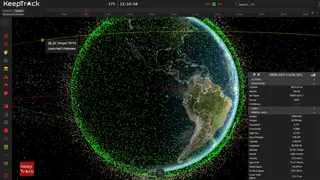
An automated detection system identified a significant orbital adjustment of the SBIRS GEO-2 early warning satellite operated by the U.S. Air Force Space Command, which moved approximately 47 degrees westward in longitude between mid-September 2026. The satellite performed a controlled maneuver using roughly 3.76 meters per second of velocity change and is now positioned near 96.8 degrees west, where it shares orbital space with two commercial communications satellites. Tracking systems will monitor the satellite's position over the coming week to confirm whether this represents a permanent relocation or part of a longer repositioning sequence.
The SBIRS GEO-2 satellite completed a controlled repositioning that altered its orbital characteristics significantly. The maneuver reduced the satellite's orbital period by approximately 4.3 minutes and lowered both its perigee and apogee altitudes, with the apogee dropping by roughly 144 kilometers. These changes allowed the spacecraft to shift its longitude position by nearly 50 degrees over a three-day active maneuver window in mid-September.
The satellite now shares its new orbital slot with two established commercial communications platforms, GALAXY 19 and ECHOSTAR 19, positioned within tenths of a degree at the same longitude. Tracking systems will monitor whether the satellite remains at this location or continues moving as part of a longer repositioning campaign, with confirmation expected within the coming week based on updated orbital element data.
Orbital relocations of military early-warning satellites could signal shifts in U.S. strategic coverage priorities or operational posture adjustments. Such repositioning may affect space traffic management considerations in geostationary orbit, where congestion among hundreds of active satellites increases collision risks. The move could also influence space situational awareness practices and may prompt review of coordination procedures between military and commercial satellite operators in contested orbital regions.