Supreme Court Adds Cases on Immigration Detention and Religious Zoning as 2026 Term Begins
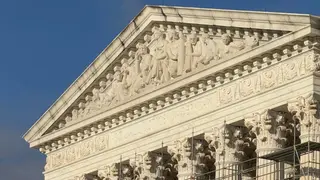
The Supreme Court added three cases to its docket ahead of the 2026-27 term, including a case challenging the Trump administration's policy of detaining noncitizens without bond hearings and a dispute over zoning enforcement against religious institutions. The Court also cleared the way for Tennessee to proceed with an execution and temporarily allowed rapid deportations to third-party countries while scheduling arguments on the legality of the practice. Justice Alito recused himself from a major climate change case scheduled for argument Monday.
The Supreme Court's docket additions for the 2026-27 term signal major decisions ahead on immigration enforcement and religious liberty protections. The case challenging detention without bond hearings addresses whether the Trump administration can hold noncitizens captured within U.S. territory indefinitely before providing judicial review of their confinement. Simultaneously, the religious zoning dispute concerns whether local governments can enforce ordinances that affect houses of worship differently than secular uses.
A parallel development involves expedited removals to third countries—nations not originally specified in deportation orders. The Court granted temporary authorization for this practice while scheduling arguments to determine its legal validity, with three liberal justices already signaling opposition to the approach.
These cases could significantly reshape immigration enforcement flexibility and religious institutions' relationship to local zoning authority. Immigration advocates may see restrictions on detention procedures and third-country removals as essential due-process protections, while government officials might argue such measures are necessary for efficient enforcement. Religious communities could gain stronger defenses against zoning restrictions, potentially affecting land-use planning in municipalities nationwide. The outcomes may establish whether constitutional protections apply equally to noncitizens and religious entities in policy implementation.