Supreme Court Opens New Term With Major Cases on Religion, Guns, Climate, and Immigration
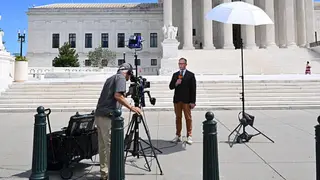
The U.S. Supreme Court begins its new term on Monday with significant cases addressing religion, semi-automatic weapon bans, climate change, and immigration policy. The court has seen a dramatic increase in emergency appeal rulings during the Trump administration, with these expedited decisions now outnumbering full merit-based rulings. Legal experts note that emergency docket cases receive minimal briefing and explanation compared to traditional merits cases, raising concerns about judicial guidance for lower courts.
The Supreme Court's current term begins with several consequential cases that will shape American law across multiple domains. The court's ideological composition has shifted significantly following recent judicial appointments, particularly affecting how the institution approaches religion and constitutional interpretation. Legal scholars have noted a fundamental reversal in the court's historical approach to separating religious institutions from state funding, moving away from decades of precedent that prioritized church-state separation.
The procedural landscape of the Supreme Court has transformed markedly in recent years. Emergency rulings, which bypass the traditional briefing and argumentation process, now outnumber fully developed merit cases. This shift concerns judicial observers across the political spectrum, as abbreviated decisions without extensive written explanations leave lower courts with insufficient guidance for applying Supreme Court doctrine to future cases.
The Court's upcoming decisions could substantially affect millions of Americans across education, environmental regulation, and religious liberty. Taxpayers may face new obligations regarding religious school funding depending on religious freedom rulings. Climate litigation outcomes could influence how states pursue corporate accountability for environmental harm. Lower courts nationwide depend on clear Supreme Court guidance; the increased reliance on expedited decisions may create legal uncertainty in trial and appellate proceedings, potentially affecting case outcomes for ordinary litigants who depend on consistent judicial interpretation.