Former Bosnian Political Leader's Death Marks End of Contested War Crimes Legacy
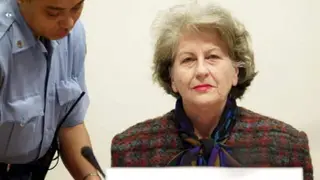
Biljana Plavsic, a 96-year-old former high-ranking Bosnian Serb political figure and the only prominent woman prosecuted for mass atrocities by the Yugoslav war crimes tribunal, died this week. Once a respected scientist and university dean, she became a wartime leader who justified ethnic cleansing as a natural phenomenon and later withdrew remorse she had initially expressed in court. Her trajectory from educated intellectual to war crimes defendant reflects broader tensions in post-conflict reconciliation in the Balkans.
Plavsic's early life in Sarajevo during World War II profoundly shaped her political worldview. Witnessing family members killed or deported by Croatian fascists during the Nazi occupation instilled in her a lifelong preoccupation with protecting Serb populations from future persecution. This historical trauma informed her later decisions during the 1990s conflict, though she reframed defensive concerns into justifications for removing non-Serb populations from Bosnian territory.
Her conviction in 2003 represented a watershed moment in international justice: she became the highest-ranking woman ever prosecuted for mass atrocities at an international criminal tribunal. Despite initially expressing remorse during her trial—a factor that contributed to her early release in 2009—Plavsic subsequently repudiated those statements, claiming witnesses had lied and maintaining her wartime narrative without apparent contrition for her role in ethnic cleansing operations.
Plavsic's death may reignite debate about transitional justice in post-conflict regions, particularly regarding genuine accountability versus symbolic prosecution. Her case illustrates how societies struggle to balance understanding historical motivations with holding leaders responsible for atrocities. Her ultimate lack of remorse could affect regional reconciliation efforts in the Balkans, where many survivors and displaced persons remain unhealed, while also raising questions about whether early release policies adequately serve justice goals.