SpaceX reaches orbit with Starship while Rocket Lab secures major multi-mission deal
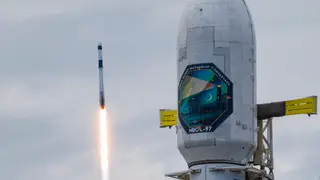
SpaceX achieved its first orbital flight of the Starship rocket after 14 attempts, successfully deploying 26 next-generation Starlink V3 satellites in the process. Rocket Lab announced a 20-mission launch agreement with Japanese Earth-imaging satellite company Synspective, marking the company's largest launch service contract to date and building on their existing relationship that has seen Rocket Lab launch 13 of Synspective's radar satellites since 2020. Blue Origin is seeking FAA approval to conduct up to 50 New Glenn launches and 50 booster landings per year.
SpaceX's achievement marks a significant operational milestone after numerous developmental flights that progressively tested the vehicle's capabilities. The deployment of advanced Starlink satellites during this mission demonstrates the commercial utility of the heavy-lift system, enabling the constellation to expand its next-generation coverage capacity. Meanwhile, Rocket Lab's substantial contract with Synspective reflects growing demand for dedicated small-satellite launch services and validates the company's execution record in the competitive launch market.
Blue Origin's regulatory request for intensive New Glenn operations indicates confidence in the vehicle's near-term availability, positioning the company to compete for a larger share of the commercial and government launch sectors that have grown increasingly crowded.
These developments could reshape commercial space access by distributing launch capabilities across multiple providers and vehicle classes. Increased orbital infrastructure deployment may accelerate satellite internet expansion and Earth observation services that rely on frequent, reliable launches. The growing competition among SpaceX, Rocket Lab, and Blue Origin may drive innovation and potentially reduce launch costs, though this outcome depends on sustained demand and successful execution of their respective programs.