Starfish Space's satellite servicing spacecraft reaches orbit on SpaceX rideshare mission
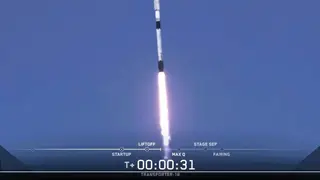
SpaceX launched 130 payloads aboard a Falcon 9 rocket from California, including Starfish Space's Otter satellite servicing vehicle, which will conduct inspections and maintenance on inoperable satellites for a NASA mission. The kitchen-oven-sized spacecraft represents a major milestone for the Tukwila-based startup after successful prototypes. Otter is expected to rendezvous with and inspect multiple satellites while potentially expanding into broader commercial servicing operations.
Starfish Space's Otter represents the culmination of years of development, following two earlier prototype missions that tested the company's satellite-tracking and rendezvous capabilities. The first prototype encountered difficulties during its target approach, while a second version launched last year continues progressing toward its objective. Today's successful orbital deployment of the full-scale Otter, approximately the size of a kitchen oven, validates the startup's technology maturation and opens pathways for expanded operations.
The company has already secured substantial future work, including a satellite deorbiting contract with the Pentagon's Space Development Agency and multiple servicing missions for both commercial operators and the U.S. Space Force. Co-founder Trevor Bennett indicated that commercial servicing opportunities beyond the initial NASA SSPICY mission represent core growth objectives, suggesting the company views this launch as establishing operational credibility for a broader satellite maintenance market.
Otter's successful deployment could influence how the space industry approaches satellite lifecycle management, potentially reducing costs associated with satellite failure or end-of-life disposal. If commercial satellite servicing becomes economically viable, operators may extend satellite operational lifespans and reduce orbital debris accumulation—issues of growing concern as space traffic increases. However, the technology's broader adoption depends on demonstrating reliable performance across diverse satellite types and orbits, as well as establishing competitive pricing against alternative disposal methods.