AI-Powered Robot Acquires Multi-Step Procedures Through Rapid Learning and Dynamic Adaptation
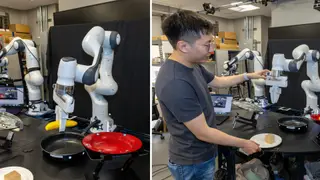
Researchers have developed a robotic system capable of mastering intricate tasks containing up to 12 sequential steps in just five minutes of training. The system demonstrates intelligent replanning capabilities, allowing it to adjust its approach when unexpected obstacles or failures occur during execution. This advancement represents a significant leap in how quickly autonomous machines can learn and adapt to complex real-world scenarios.
This robotic system represents a notable development in machine learning efficiency, capable of absorbing complex procedural tasks—those involving a dozen distinct sequential actions—within an exceptionally brief training window. The technical achievement centers on the machine's capacity to internalize these multi-stage workflows rapidly, suggesting advances in how training data is processed and applied.
Beyond initial learning, the system incorporates adaptive capabilities that enable course correction during real-world execution. When unforeseen circumstances disrupt the planned sequence or when intermediate steps fail, the robot can recalibrate its strategy rather than defaulting to failure. This combination of fast acquisition and dynamic responsiveness addresses persistent challenges in autonomous systems deployment across variable environments.
Accelerated robotic learning could influence sectors relying on task automation—manufacturing, logistics, and hazardous-environment operations among them. Faster training periods may reduce deployment costs and expand the range of tasks suitable for automation. However, the practical effects depend on scalability beyond controlled settings and integration with existing workflows. Such advances may reshape workforce demands while creating new roles in robot management and oversight, though broader societal implications remain contingent on implementation choices across industries.