Southern China experiences exceptional late-season heat wave with dozens of temperature records shattered
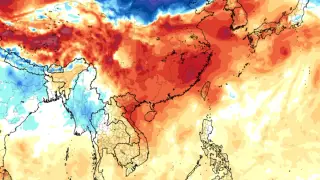
Unusually intense heat affected southern China from late September into early October 2026, with peak temperatures reaching 39.5°C in Yunnan and 39.1°C in Fujian. Independent analysis documented over 80 stations breaking October or September maximum temperature records across the region during the event. The heat wave, driven by the western Pacific subtropical high-pressure system, concluded as a cold front moved through the affected areas.
The exceptional heat blanketing southern China during late September and early October 2026 represented a significant meteorological event, with temperature peaks exceeding 39°C across multiple provinces. The phenomenon was anchored by a persistent western Pacific subtropical high-pressure system that maintained abnormally warm and humid conditions from late September through the first days of October, affecting populated regions including Yunnan, Fujian, Jiangxi, Guangdong, and surrounding areas.
Record-breaking temperatures were particularly concentrated on October 1 and 2, when independent monitoring identified dozens of stations simultaneously reaching their highest documented temperatures for those calendar dates. The heat episode terminated abruptly following the arrival of a cold front, which brought temperature declines of 8–12°C within affected zones and marked a sharp conclusion to the extended warm period.
Sustained heat waves in populous regions may pose challenges for public health, energy infrastructure, and agricultural productivity. High temperatures can increase demand for cooling and strain power grids, while prolonged heat may affect crop yields and water availability. Urban populations, outdoor workers, and vulnerable groups could experience elevated health risks during such episodes. Following an already exceptionally warm summer across China, this late-season heat event may signal ongoing patterns worth monitoring for infrastructure and resource planning purposes.