Record European Heat Wave Triggered Multiple Infrastructure and Agricultural Failures
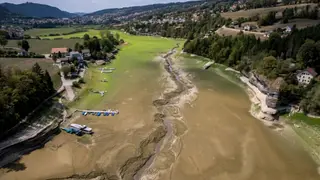
Europe experienced unprecedented heat stress during the summer of 2026, with more than half the continent enduring dangerous combined effects of temperature, humidity, and wind that created perceived temperatures exceeding 100 degrees Fahrenheit in some areas. The extreme conditions produced cascading impacts including record-low river flows, widespread crop losses, and widespread temperature records across multiple European regions, with four of the decade's most severe heat waves occurring within a single season. The summer's intensity exceeded Europe's historical 2003 heat wave benchmark and strained infrastructure and adaptation systems across the continent.
The 2026 heat wave distinguished itself through its unprecedented geographic breadth and intensity. Major river systems across the continent experienced critically low water levels, with the combined shortfall equaling approximately two years' worth of the European Union's public water supply. Six major rivers—the Loire, Seine, Rhine, Glomma, Vistula, and Danube—all registered their lowest summer flows on record, while five additional river systems also fell to historic lows. By late summer, nearly half of Europe faced drought conditions, with 40 percent of that area classified as extreme drought.
The clustering of multiple severe heat waves within a single season represented a dramatic departure from historical patterns. Scientists confirmed that human-caused climate change intensified these events, with research indicating that warming increased June temperatures by nearly 4 degrees Fahrenheit and made such extremes substantially more probable than in the pre-industrial climate era.
This convergence of heat stress, water scarcity, and agricultural disruption could strain Europe's interconnected systems across multiple sectors. Energy production dependent on river cooling, food security reliant on grain crops, and public health infrastructure may face simultaneous pressure. Transportation networks and supply chains could experience disruptions, while vulnerable populations without adequate cooling resources may face heightened health risks. The cascading nature of these failures suggests that adaptation planning focused on single hazards may prove insufficient for managing compound climate extremes.