Bolsonaro's son emerges as serious challenger to Lula in Brazilian election
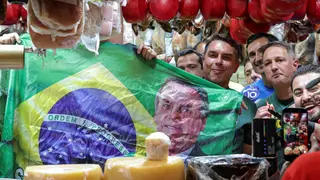
Flavio Bolsonaro, the eldest son of former president Jair Bolsonaro, is competing against incumbent Luiz Inácio Lula da Silva in Brazil's first round of presidential voting on Sunday. Though less charismatic than his father, Flavio maintains the family's ideological radicalism and has pledged to pardon his imprisoned father if elected. Political analysts suggest Flavio lacks his father's oratorical skills and popular appeal, making the outcome uncertain despite polling that shows a competitive race.
Flavio Bolsonaro's presidential bid represents a continuation of his family's political influence despite significant legal challenges. His father, the former president, faces a 27-year prison sentence for alleged coup plotting and is barred from public communication during his incarceration. The younger Bolsonaro's campaign has already drawn controversy, including a disputed AI-generated video of his jailed father that violated court restrictions, and recent investigations into potential corruption and money laundering tied to a biographical film project.
The candidate's path to electoral viability depends heavily on leveraging the Bolsonaro family name, even as public opinion toward his father has shifted negatively. Analysts note that while Flavio lacks his father's communication abilities and personal magnetism, he maintains the family's ideological commitments and has explicitly pledged to pardon his imprisoned father if elected.
The election outcome could significantly affect Brazil's political trajectory and judicial independence. If Flavio Bolsonaro prevails, a presidential pardon might challenge the country's recent efforts to hold former leaders accountable for alleged constitutional violations. Conversely, a Lula victory may reinforce the judiciary's authority over executive power. The race may also influence how Brazilian institutions address emerging challenges like deepfake regulation and electoral integrity, potentially setting precedents for democratic governance in the region.