Belgium's New Cultural Landmarks Blend Architecture with City Life
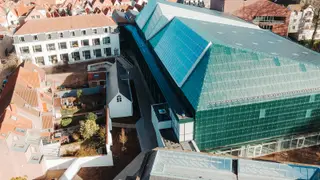
Three new cultural buildings in Belgian cities—including BRUSK, a 9,500-square-meter exhibition hall that opened in Bruges in May—demonstrate how contemporary architecture can integrate with historic urban environments. The structures feature innovative sustainable design elements such as photovoltaic glass roofs and thermal energy systems while maintaining dialogue with their surroundings through public spaces and artistic installations. These projects transform former educational and industrial sites into vibrant cultural destinations that serve their communities.
Belgium's three new cultural institutions represent a deliberate strategy of adaptive reuse within historic cities. Rather than constructing entirely new neighborhoods, architects have transformed underutilized educational and industrial properties into multipurpose destinations that blend exhibition spaces with everyday amenities like cafés and research facilities. This approach respects the medieval and industrial heritage of cities like Bruges, Ghent, and Charleroi while introducing contemporary functions.
The sustainability features integrated into these buildings—particularly BRUSK's photovoltaic roof systems and thermal storage—demonstrate how cultural institutions can model environmental responsibility. By retrofitting existing structures and adding green infrastructure, these projects may influence how other heritage cities balance preservation with modernization, potentially establishing a template for European cultural development.
These architectural interventions could reshape how visitors and residents experience historic city centers, potentially increasing foot traffic to surrounding neighborhoods and supporting local economies. The integration of public spaces, research facilities, and cultural programming may foster stronger connections between institutions and their communities. However, such developments could also intensify tourism pressures in already-fragile medieval districts, raising questions about sustainable urban management and whether cultural expansion ultimately serves residents or primarily attracts external visitors seeking curated experiences.