Weekly Regional Briefing: Major Developments Across Asia-Pacific Infrastructure, Trade, and Security
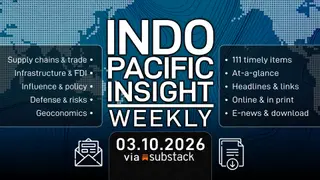
This comprehensive weekly roundup covers 111 significant developments across the Indo-Pacific region through October 3rd, 2026, spanning topics from China's infrastructure projects and digital currency initiatives to regional military exercises and trade partnerships. Key stories include progress on China's Pinglu Canal, Indonesia's digital rupiah implementation, rare earth cooperation between South Korea and Vietnam, and Australia's bid for a UN Security Council seat. The edition also tracks security developments such as North Korea's missile tests, tensions over disputed maritime territories, and multinational naval exercises in the South China Sea.
This weekly digest reflects the Indo-Pacific region's intensifying competition across multiple domains. Infrastructure projects—from China's canal networks to port automation and satellite constellations—underscore competing visions for regional connectivity and technological dominance. Simultaneously, digital currency initiatives and alternative trade finance systems suggest efforts to reshape economic interdependencies, while military exercises and security incidents demonstrate heightened strategic tensions.
The briefing captures how regional powers pursue both cooperative frameworks and unilateral advantages. Rare earth partnerships, naval cooperation, and supply chain resilience initiatives coexist alongside disputed maritime activities, missile tests, and military posturing. This dual pattern—collaboration and competition—characterizes contemporary Indo-Pacific dynamics across infrastructure, finance, and security sectors.
These developments may significantly affect regional stability, trade flows, and technological standards. Businesses and governments could face pressure to navigate competing infrastructure networks and payment systems. Military modernization and disputed territories may heighten accident risks and miscalculation costs. Smaller nations may gain leverage through diversified partnerships but could also face pressure to choose alignments. Digital currency adoption and alternative finance mechanisms might reshape capital flows and economic dependencies across the region, affecting investment patterns and monetary policy coordination.