Genetic analysis narrows timeframe for earliest human arrival in the Americas to 21,000 years ago
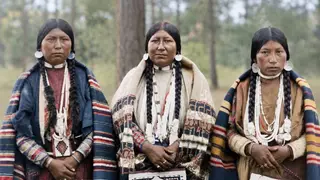
A comprehensive review of ancient DNA evidence indicates that ancestors of modern Indigenous Americans arrived in the Western Hemisphere no sooner than approximately 21,000 years ago, likely during the Last Glacial Maximum period. The genetic findings contribute to ongoing scientific debate about precisely when human migration to the Americas occurred. This conclusion helps refine understanding of one of archaeology's central questions about human population dispersal.
The question of when humans first populated the Americas remains one of archaeology's most debated topics. This genetic study contributes evidence to that ongoing discussion by examining DNA from ancient remains, pointing toward a migration window of approximately 21,000 years ago. This timeframe aligns with the Last Glacial Maximum, a period of extreme cold that shaped global geography and may have influenced human movement patterns across land and coastal routes.
The refinement of migration timelines relies on increasingly sophisticated analysis of genetic material preserved in archaeological specimens. By comparing ancient DNA with modern Indigenous populations, researchers can establish population relationships and estimate when ancestral groups entered the Western Hemisphere. These findings help archaeologists piece together how and when humans dispersed across the globe.
This research may strengthen scientific understanding of Indigenous American ancestry and deep human history. Academic institutions, museums, and Indigenous communities studying their own heritage could benefit from more precise timelines. The findings may also inform broader discussions about human adaptation and migration during periods of climate change. However, ongoing scientific debate suggests that future discoveries could further refine these estimates.