Excavations near Vatican uncover Anglo-Saxon coins documenting medieval English settlement in Rome
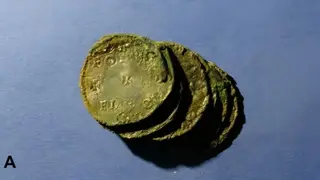
Twenty Anglo-Saxon coins discovered during excavations beneath Palazzo della Rovere's gardens provide archaeological evidence of a flourishing English community in early medieval Rome. The collection includes 19 silver pennies and one halfpenny manufactured across approximately four decades in England, indicating sustained contact between the two regions. The finds strengthen the historical record of English populations maintaining a permanent presence in the papal city during the early medieval period.
Archaeological work at Palazzo della Rovere has revealed a collection of early medieval currency buried beneath the garden grounds. The twenty pieces of coinage span roughly four decades of production and originate from English mints, suggesting a long-term economic and social presence rather than isolated trade visits. This discovery adds material evidence to existing historical documentation about English communities establishing roots in Rome during the early medieval period.
The findings contribute to broader scholarly understanding of migration and settlement patterns across medieval Europe. Archaeological coins function as chronological markers and economic indicators, helping researchers map trade networks and population movements between distant regions during centuries when written records were scarce or fragmentary.
The discovery may interest academic communities studying medieval European history, religious networks centered on Rome, and early English diaspora. Museum professionals and heritage institutions could use these artifacts for public education about cross-cultural medieval connections. The findings might prompt additional excavation projects in Rome's historical sites, potentially revealing further evidence of foreign populations in the papal city and reshaping understanding of early medieval urban demographics and religious pilgrimage.