Ancient Egyptian Dog Name Discovered in Pharaonic Tomb References Underworld Deity
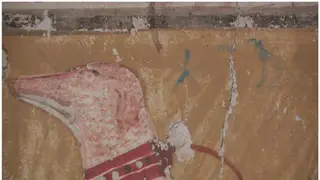
Researchers identified a previously unknown dog name inscribed in the 18th Dynasty tomb of User at Sheikh 'Abd el-Qurnah, adding to the archaeological record of ancient Egyptian pet nomenclature. The name appears to have connections to Anubis, the god associated with the Egyptian underworld and afterlife. This discovery expands the known collection of dog names from ancient Egypt to nearly 100 documented examples.
Archaeologists working at a burial site in the Sheikh 'Abd el-Qurnah region have uncovered written evidence of a dog's name within a tomb dating to ancient Egypt's 18th Dynasty. The inscription belongs to a figure named User, whose burial chamber preserved this record of pet nomenclature. The dog's name carries theological significance, suggesting a link to Anubis, the deity governing the afterlife and mummification practices in Egyptian religious tradition.
This finding represents a meaningful contribution to Egyptology's understanding of how ancient Egyptians named their animals. The discovery brings the total number of identified dog names from pharaonic sources to approximately 100 documented cases, a modest but growing collection that illuminates domestic life and cultural practices across Egyptian civilization's timeline.
This discovery may interest academic specialists in Egyptian religion, daily life studies, and human-animal relationships in antiquity. Museums and educational institutions could incorporate the finding into exhibits exploring ancient Egypt's cultural and spiritual dimensions. The research could encourage further examination of already-discovered but unanalyzed inscriptions, potentially revealing additional details about how ancient societies valued and commemorated companion animals. Such findings may gradually reshape public perception of pet-keeping as a practice with deep historical roots.