Kharkiv struck by dual Banderol missile attacks; industrial district damaged
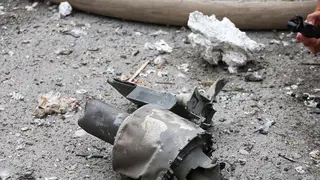
Russian forces conducted a coordinated double-tap strike using Banderol cruise missiles in Kharkiv's industrial district on October 4, killing one person and injuring six others while damaging at least 10 residential buildings. The Banderol missiles, which combine cruise missile and drone capabilities, can travel at speeds up to 800 kilometers per hour and carry 300-400 kilograms of explosives, making them difficult for Ukrainian air defenses to intercept. This attack follows repeated Russian strikes on Kharkiv using various aerial weapons in recent days, including glide bombs that killed two women and injured dozens more on October 2.
Russia has intensified its deployment of advanced loitering munitions in recent months, with the Banderol representing a particularly challenging threat. These weapons operate as hybrid systems, merging cruise missile technology with drone-like maneuverability, enabling them to travel at high speeds while adjusting course and altitude during flight. The combination of speed, guidance systems, and substantial explosive payloads has proven difficult for Ukrainian defensive systems to counter effectively.
The strike on Kharkiv follows a pattern of repeated Russian attacks across multiple weapon systems. Beyond Banderol missiles, Russian forces continue employing glide bombs and conventional missiles in coordinated assaults, stretching Ukraine's air defense capabilities. The targeting of civilian infrastructure, including residential buildings and administrative facilities, reflects Russia's broader campaign against urban centers in eastern Ukraine.
These attacks may significantly impact civilian populations in targeted cities, disrupting essential services and forcing resource allocation toward emergency response and reconstruction. The escalating sophistication of aerial weapons could strain Ukraine's air defense systems further, potentially affecting civilian safety and economic stability in major urban areas. International observers may view the weapons escalation as a concerning development, with implications for how prolonged conflicts evolve when advanced technologies become deployed against civilian infrastructure.