Supreme Court Hears Major Climate Damages Case as Trump Campaigns in Nebraska
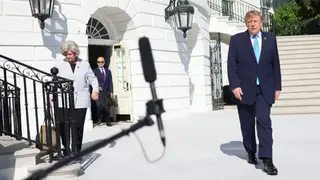
The Supreme Court began its new term with oral arguments in Suncor v. Boulder, a case that could reshape whether states and localities can sue fossil fuel companies for climate-related damages. The Trump administration has sided with energy companies arguing that federal law preempts such state-level litigation. Meanwhile, President Trump is campaigning across Republican strongholds to encourage voters to maintain GOP control of Congress, with Vice President Vance also conducting campaign events to support Senator Dan Sullivan's reelection bid in Alaska.
The Supreme Court's new term opened with arguments in Suncor v. Boulder, which centers on whether states and municipalities possess the legal authority to pursue financial claims against energy corporations for climate-related harms. The case originated from a Colorado court ruling that permitted the city and county of Boulder to advance their damages lawsuit, a decision now being challenged. The Trump administration has aligned with the fossil fuel industry in contending that existing federal legislation should prevent such state-level actions from proceeding.
The case arrives amid an active political season, with the sitting president traveling through traditionally Republican areas to mobilize support for maintaining congressional majorities. High-level officials are simultaneously conducting targeted campaign activities in competitive races, including efforts to support an incumbent senator facing a challenging reelection battle against a Democratic opponent.
This litigation could substantially affect the landscape of climate accountability by determining whether states retain independent power to recover damages from energy producers. A ruling favoring preemption might shield corporations from numerous state lawsuits, while a decision upholding state authority could enable widespread litigation and create financial exposure for the energy sector. Local governments and environmental advocates may see their remedial options significantly constrained or preserved, depending on the court's interpretation of federal versus state regulatory power.