Bosnia's General Election Delivers Historic Low Turnout While Dodik Consolidates Power
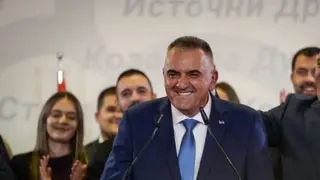
Bosnia and Herzegovina held general elections that resulted in a record-low 42 percent turnout, down 9.5 percentage points from 2022, while nationalist parties maintained their grip on power across the country's ethnic divisions. The three-member presidency was reshuffled with Denis Becirovic retaining the Bosniak seat, Darijana Filipovic of the Croatian Democratic Union winning the Croat position, and Zeljka Cvijanovic of Milorad Dodik's SNSD party taking the Serb seat. Dodik, barred from holding office due to a conviction, nonetheless secured continued political dominance through his party's strong showing in Republika Srpska.
Bosnia's election saw significant shifts in its collective leadership structure. The three-member presidency, designed to represent the country's major ethnic groups, underwent partial renewal with two new faces joining the governing body. Notably, the contest for the Serb seat produced the highest margin of victory among the three positions, reflecting consolidated support within that electoral constituency.
The dramatic decline in voter participation—falling to less than half the eligible electorate—represents a concerning trend for democratic engagement in the country. This erosion of turnout by nearly one-tenth compared to just four years prior suggests potential voter fatigue or diminished confidence in electoral processes and their outcomes.
The historically low turnout could weaken the legitimacy of elected officials and policy decisions, particularly among constituencies that abstained from voting. The consolidation of power within nationalist parties across ethnic lines may present challenges for cross-community cooperation on shared governance issues. International observers, particularly regarding the lifting of sanctions against certain political figures, may influence how external actors engage with Bosnia's institutions and reform trajectories in coming years.