October Skywatching Guide: Two Meteor Showers Peak This Month
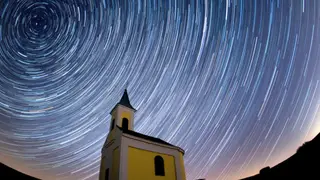
October offers skywatchers two meteor shower events: the Draconids peaking October 8-9 and the Orionids peaking October 21-22, both visible from Earth. The Draconids will be easier to observe this year due to favorable moonlight conditions around the new moon phase, with optimal viewing in the Northern Hemisphere starting at 9 pm EDT on October 8. The Orionids, while also visible, may be more difficult to spot due to interference from moonlight during their peak period.
October's two meteor events originate from different celestial sources. The Draconids result from Earth passing through dust trails left by comet 21P/Giacobini-Zinner, while the Orionids are debris from the famous Halley's Comet. These annual occurrences happen when our planet's orbit intersects regions of space containing accumulated cosmic material from these icy visitors.
The visibility difference between the two showers stems from lunar interference. October 10's new moon creates darkness ideal for spotting fainter Draconid meteors, particularly from northern latitudes where the Dragon constellation sits highest. By contrast, the moon's brighter waxing gibbous phase during late October will wash out dimmer Orionid streaks, though observers in truly dark locations may still detect several meteors hourly.
These celestial events may engage amateur astronomers and casual stargazers, potentially inspiring public interest in astronomy and Earth's relationship to broader cosmic phenomena. Educational institutions could use the meteor showers to teach students about orbital mechanics and celestial navigation. The activity requires minimal resources—only clear skies and human observation—making it accessible across socioeconomic groups and geographic regions, though light pollution in urban areas could limit participation for some communities.