Blocking age-related protein restores knee cartilage in aging joints
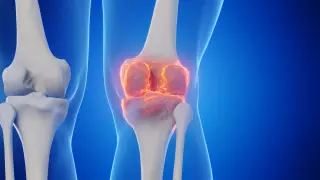
Stanford researchers discovered that inhibiting a protein that increases with age can stimulate regeneration of damaged knee cartilage in aged mice and prevent osteoarthritis following knee injuries. Testing on human cartilage samples from replacement surgery patients showed the same approach prompted production of new, functional cartilage tissue. These findings suggest potential future treatments could repair arthritic damage through medication rather than requiring joint replacement surgery.
Osteoarthritis represents a significant public health challenge, affecting millions of Americans and generating enormous economic burden through medical costs and lost productivity. The disease occurs when the smooth tissue coating joints gradually deteriorates, resulting in pain, inflammation, and reduced mobility. Currently available treatments are limited to symptom management rather than addressing the underlying damage, leaving severe cases with surgical joint replacement as the primary option.
The Stanford research team's approach differs fundamentally from previous strategies by targeting 15-PGDH, an enzyme that accumulates during aging and appears to drive tissue decline across multiple body systems. Prior studies by the same researchers demonstrated that suppressing this protein enhanced muscle function in older mice, while artificially increasing it caused muscle weakness in younger animals. The breakthrough came from discovering that blocking this aging-related protein prompted existing cartilage cells to revert to younger behaviors and produce new tissue, rather than requiring stem cell involvement as scientists had anticipated.
If this approach successfully translates to human patients, the societal implications could be substantial. Millions of people experiencing osteoarthritis-related pain and mobility loss might avoid surgery or delay joint replacement indefinitely through medication. This could reduce healthcare expenditure, improve quality of life for aging populations, and decrease burden on surgical systems. However, significant development remains before clinical application, and long-term safety and efficacy in humans remain unknown variables that could affect real-world implementation.