Kyiv Fire Claims Lives Following Major Russian Bombardment
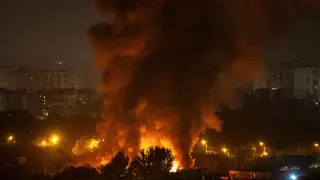
Russian strikes on Ukraine's capital city Kyiv resulted in a fire that killed at least two people on October 7. President Zelensky characterized the attack as involving massive strikes targeting the city. The assault is part of an escalating pattern of Russian military operations focusing on Ukraine's energy infrastructure and transportation networks.
Russia's October 7 strike represents an intensification of a broader campaign targeting Ukraine's critical infrastructure as winter conditions approach. The attack on Kyiv employed a combination of cruise missiles, ballistic missiles, and drone strikes, demonstrating the scale of coordinated Russian operations. Beyond the capital, simultaneous attacks occurred in other regions including Sumy Oblast and Zaporizhzhia, indicating a multi-front assault strategy. Ukrainian authorities implemented preemptive power cuts to reduce grid vulnerability, while civilians sought shelter in subway stations as air raid sirens provided warning of incoming threats.
The escalating bombardment may intensify humanitarian challenges for Ukrainian civilians heading into winter months, as damage to energy infrastructure could affect heating, water supply, and medical services across affected areas. The psychological toll of constant threat exposure could strain public resilience and daily functioning. International observers may view the targeting of civilian infrastructure as relevant to ongoing assessments of the conflict's conduct, potentially influencing diplomatic considerations and humanitarian aid prioritization by supporting nations.