Biomass, solar projects advance with major construction contracts and corporate renewable commitments
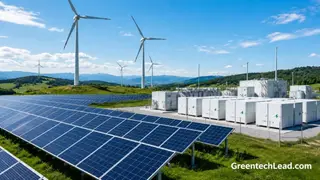
Albioma has acquired a 43 percent stake in a $650 million Georgia biomass project that will generate electricity and industrial steam, with commercial commissioning planned for 2029. Bondada Engineering secured a major engineering contract worth ₹1.15 billion to construct 270 MW of ground-mounted solar capacity in Maharashtra, with completion expected within six months. DTE Energy completed the 100 MW Cold Creek Solar Park in Michigan to support Ford Motor Company's renewable energy requirements under its corporate green electricity program.
Three major renewable energy initiatives underscore growing momentum in both utility-scale solar deployment and biomass energy infrastructure. The Georgia biomass facility represents a dual-purpose investment, generating both electricity for regional grids and industrial steam for manufacturing operations, demonstrating how renewable projects can serve multiple economic functions. Meanwhile, rapid solar expansion is occurring across geographies—from India's Maharashtra installations to Michigan's corporate-backed solar park—with completion timelines ranging from six months to three years.
The financing structures supporting these projects reveal institutional confidence in renewable infrastructure. Albioma's acquisition involved substantial project financing from major international banks, while Ford's participation in utility programs shows how corporate renewable commitments can drive construction investment. These deals collectively represent over $2 billion in capital deployment across biomass, solar photovoltaic, and hybrid energy systems.
These projects could affect energy markets by increasing renewable generation capacity available to both utilities and industrial consumers. Regional electricity costs may experience downward pressure as supply diversifies, while manufacturing facilities gain access to certified clean power that supports sustainability goals and corporate reporting. Employment effects may emerge through construction jobs and ongoing facility operations. The initiatives also signal that project financing remains accessible for large-scale renewables, potentially encouraging additional investment by competitors and utilities seeking to meet climate commitments and grid modernization targets.