Major fires erupt at key Russian oil storage and pipeline complex in Samara region
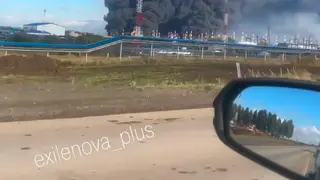
Large fires broke out at a significant Russian oil pipeline and storage facility near Prosvet in Samara Oblast on October 7, with NASA satellite monitoring detecting multiple thermal hotspots at the site. The facility, which includes pumping stations and tank farms, has been repeatedly targeted in Ukraine's campaign against Russian oil infrastructure. Ukrainian officials previously confirmed damage to the facility from an earlier drone strike on October 2, destroying multiple large storage tanks and sections of pipeline.
The Prosvet facility serves as a critical junction in Russia's petroleum distribution network, housing multiple storage tanks of varying capacities alongside equipment for processing and transporting crude oil. The scale of infrastructure at the site—including over a dozen large-capacity storage tanks damaged in the October 2 strike alone—underscores its importance to Russia's domestic fuel supply chain.
Ukraine's sustained targeting of such facilities reflects a strategic shift toward disrupting Russia's energy sector capabilities. By concentrating on pipeline nodes and storage hubs rather than refineries, Ukrainian forces aim to degrade Russia's ability to mobilize petroleum resources for military and civilian purposes, potentially creating supply bottlenecks across the broader distribution system.
Repeated damage to major oil infrastructure could strain Russia's fuel availability for both civilian and military operations, potentially affecting transportation networks and industrial production. For Ukraine, such strikes may impose economic costs on Russia while demonstrating capability to strike deep within Russian territory. Internationally, disruption of Russian energy exports could influence global oil markets and energy prices. The escalating cycle of strikes and potential retaliatory responses raises broader questions about the conflict's expanding scope beyond traditional frontlines.