Researchers Identify Previously Overlooked Energy Loss Mechanism in Photovoltaic Cells
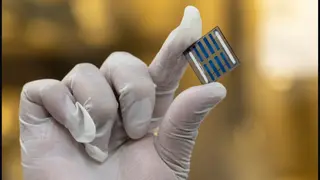
Scientists have discovered a previously unidentified source of energy loss in solar cells related to light emission that, if addressed, could increase their overall efficiency to approximately 43 percent. The breakthrough involves controlling both the absorption and re-emission properties of solar cell materials to minimize wasted energy. This finding provides a pathway for substantially improving photovoltaic technology performance.
Solar cell efficiency has long been constrained by various physical processes that convert incoming light into waste heat rather than usable electricity. This newly identified loss pathway centers on how photovoltaic materials handle light emission—a process occurring naturally within the cell structure. By developing methods to regulate both how solar materials absorb incoming photons and subsequently re-emit energy, researchers believe the technology's performance ceiling could shift meaningfully upward.
The potential 43-percent efficiency threshold represents a significant target for the field. Currently, most commercial solar panels operate well below this mark, meaning substantial room exists for improvement through better understanding and control of these fundamental light-matter interactions within cell materials.
If realized, this efficiency gain could reshape solar energy economics by reducing the material and land area required to generate equivalent power output. Manufacturing and installation costs might decline proportionally. However, translating laboratory discoveries into mass-produced commercial panels typically requires years of development, so widespread adoption would likely be gradual. The breakthrough may benefit energy sectors, utilities considering solar infrastructure, and regions seeking renewable alternatives.