Supreme Court's first relists of new term include appealability and takings cases
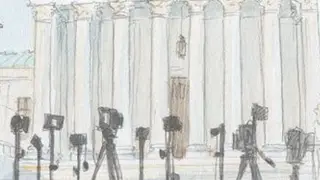
This Relist Watch column reviews petitions that the Supreme Court has rescheduled for its next conference. Of the 100 matters on the Friday conference docket, 14 are relists, including Berry v. United States and Clark v. United States, which raise a related question about certificates of appealability. The column also discusses takings clause cases involving property destroyed by police.
The Court’s Friday conference list contains 100 matters. Fourteen are relists: thirteen newly rescheduled and one carried over from the prior term. Berry v. United States, a summer holdover, asks whether a certificate of appealability should issue when circuit precedent bars a prisoner’s claim but another circuit has accepted it. Clark v. United States presents the same question, so the justices may choose between them or take both.
A separate group concerns police destruction of property. In Hadley v. City of South Bend, officers used tear gas and caused about $16,000 in damage while seeking a fugitive who was not there; the Seventh Circuit denied relief under its police-power exception. Pena v. City of Los Angeles involves a print shop damaged during a standoff. Earlier, Baker v. City of McKinney was denied review, though Sotomayor and Gorsuch noted the issue’s complexity and lower-court disagreement.
Count words. First para: The(1) Court’s2 Friday3 conference4 list5 contains6 1007 matters8. Fourteen9 are10 relists11: thirteen12 newly13 rescheduled14 and15 one16 carried17 over18 from19 the20 prior21 term22. Berry23 v.24 United25 States26, a27 summer28 holdover29, asks30 whether31 a32 certificate33 of34 appealability35 should36 issue37 when38 circuit39 precedent40 bars41 a42 prisoner’s43 claim44 but45 another46 circuit47 has48 accepted49 it50. Clark51 v.52 United53 States54 presents55 the56 same57 question58, so59 the60 justices61 may62 choose63 between64 them65 or66 take6
These relists could affect prisoners seeking federal review and property owners whose homes or businesses are damaged during police operations. A ruling on certificates of appealability may clarify when lower courts must allow further review, potentially altering access to federal habeas relief. Decisions on takings claims may shape whether local governments owe compensation for destruction caused by law enforcement, influencing municipal budgets, insurance practices, and police operational planning. The Court’s choices may also guide lower courts facing similar disputes. Count: These1 relists2 could3 affect4 prisoners5 seeking6 federal7 review8 and9 property10 owners11 whose12 homes13 or14 businesses15 are16 damaged17 during18 police19 operations20. A21 ruling22 on23 certificates24 of25 appealability26 may27 clarify28 when29 lower30 courts31 must32 allow33 further34 review35, potentially36 altering37 access38 to39 federal40 habeas41 relief42. Decisions43 on44 takings45 claims46 may47