Supreme Court begins 2026 term with climate liability and benefits cases; denies vaccine and Second Amendment petitions
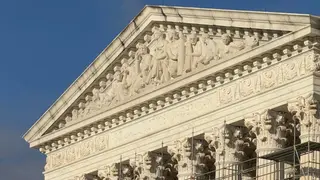
The Supreme Court heard opening arguments on cases examining climate change liability and veterans' benefits access while rejecting hundreds of petitions at its long conference, including disputes over COVID-19 vaccine mandates and Second Amendment rights for convicted felons. Upcoming arguments include a dispute over employee retirement fund management and an environmental law case regarding military munitions disposal in Guam. The Trump administration also brought a challenge to federal prison policies on transgender inmate accommodations to the interim docket.
The Supreme Court's 2026 term opened with proceedings on two substantive disputes. The first examines whether Colorado state courts may proceed with litigation holding energy companies financially responsible for climate-related damages, or if federal statutes preempt such claims. The second addresses the scope of federal judicial authority to hear constitutional objections to a statute that restricts disability benefit eligibility for certain veterans currently incarcerated.
During its long conference review, the justices declined to hear numerous pending cases, among them a student expression matter involving political apparel in schools and several Second Amendment petitions. The coming weeks will bring arguments on retirement fund management obligations under federal labor law and an environmental permitting dispute involving munitions disposal practices in Guam.
These cases may shape the boundaries of state-level climate litigation, corporate liability exposure, and federal environmental compliance. Decisions on veterans' benefits access could affect how courts balance statutory limitations against constitutional protections for incarcerated individuals. The petitions rejected—including Second Amendment and vaccine mandate disputes—signal which categories of rights claims the Court currently declines to prioritize. Collectively, these proceedings could influence environmental enforcement strategy, military operations, and the scope of judicial review over federal benefit programs.