NASA Selects Three Studies to Prepare for a Lunar Outpost
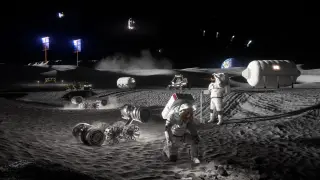
NASA has chosen three investigations under its PRISM program to support a future Moon base. They will look for underground caves that could protect astronauts, search for hidden water ice, and monitor hazards such as moonquakes and surface conditions. The work is intended to inform Artemis and Moon Base planning and reduce risks for crews.
NASA's PRISM program selected three investigations for delivery through CLPS as part of Moon Base planning. One, LEMS-SP, led by Dr. Mehdi Benna, would operate autonomously near the lunar south pole. It would track micrometeoroid strikes, volatile materials in the Moon's tenuous gas layer, and seismic vibrations, including moonquakes.
Another investigation would seek large subsurface passages that might serve as natural shelters. A third would hunt for concealed ice deposits. Together, these efforts are meant to reduce risks and inform Artemis-era planning for sustained crews.
These studies could shape how future lunar crews live and work, potentially improving safety and resource use. Aerospace firms, scientists, and commercial delivery partners may gain clearer requirements and opportunities. The public might see faster progress toward sustained lunar presence, while lessons about surviving harsh environments could inform later Mars planning. However, benefits depend on mission success and timelines.