October Stargazing Features Jupiter Occultation, Draconids, and a Pre-Halloween Full Moon
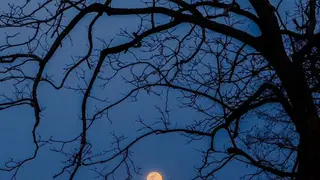
NASA has outlined several notable skywatching events for October, including a lunar occultation that hid Jupiter on October 6, the Draconid meteor shower peaking around October 8–9, and a bright full Moon shortly before Halloween. The Jupiter event was visible across much of North America, and binoculars could reveal some of the planet’s moons as they disappeared and reappeared. The Draconids should benefit from dark skies because the Moon is near its new phase.
NASA's October skywatching roundup includes a lunar occultation on Oct. 6, when the Moon passed in front of Jupiter before dawn. Much of North America could see it, and binoculars helped observers track Jupiter's moons as they vanished and returned.
Later, the Draconids peak from the evening of Oct. 8 into Oct. 9, with activity starting near 9 p.m. EDT. A new Moon keeps skies dark, though this shower usually yields only a few meteors per hour from Draco. The Orionids peak Oct. 21, linked to Halley's Comet debris.
These events may encourage casual skywatchers, families, students, and photographers to spend time outdoors and learn basic astronomy. Planetariums, science teachers, and local astronomy groups could use the occultation and meteor showers as informal teaching moments. Dark-sky viewing may also support small gatherings or local tourism, though weather and light pollution could limit participation. Overall, the month's mix of rare and routine events may gently boost public interest in space science without requiring special equipment.